Your stories. Heard, seen, felt.
Polymodal Studio tells the stories of small museums and heritage sites in ways every visitor can take in, starting with audio. Your stories are told through the lens of the people who lived them, in voices your visitors can connect with, in the languages they speak. We check every fact against its source, and publish the sources alongside the tour.
We're making pilot tours with three more NSW sites in 2027, and we'd like yours to be one of them.
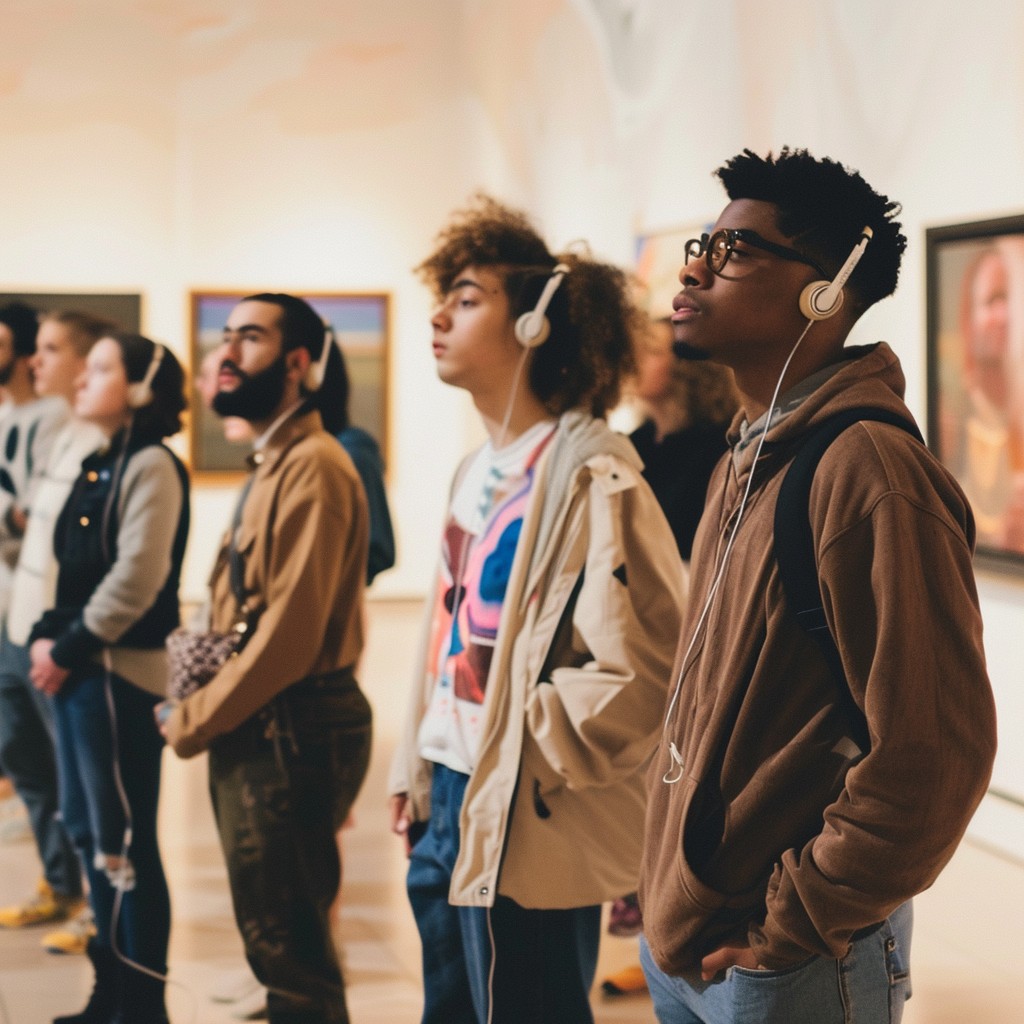
Hear it for yourself
Stop 1 of Say Again, a complete sample guide we made for an imagined lunar museum to show the method end to end: two visitors, the real radio from Apollo 14, nine languages, and notes and sources for every stop.
Available in English · Polski · 中文 · Français · Español · 日本語 · हिन्दी · Deutsch · 한국어
Every claim, with its source, in the open
Nothing in a tour rests on our word. Each stop comes with a page of notes and sources: every claim in the script, whether we could confirm it, and the source we checked it against. Where a source doesn't quite say what the script says, the page says so. Your team reads it before anything is recorded, and visitors can read it from the stop.
Few tours publish their sources. Fewer still publish what they couldn't confirm.
Claim: The switch could not be opened or repaired in flight.
Status: ⚠️ Supported, not stated directly
The switch elements were hermetically sealed. The crew could reach the panel, since they tapped it, but no source records any attempt or proposal to open, replace or rewire the switch. Every fix discussed that night was a set of computer entries. “Can't” is fair shorthand for what happened, but no source says it in those words.
Sources: Apollo 14 Mission Report, NASA, 1971 · Apollo Experience Report TN D-6722, NASA, 1972 · MIT Draper Laboratory memo DG 1702, 1971 · NASA air-to-ground transcript, 1971.
Three more sites, in 2027
Our first tour, at Experiment Farm Cottage, is in production with National Trust NSW. One of the next three could be yours.
What you get
- A tour with as many stops as your site's stories need.
- English and the languages your visitors speak, up to nine.
- Notes and sources for every stop, published beside the audio.
- QR signage, testing on site and a year of hosting.
- A fixed pilot price, agreed before we start and well below a full commission.
What we ask
-
One person who can make decisions and give the project their time: a site walk, a
few short sessions and reading the scripts.
How we work - Whatever research you have, in whatever state it's in.
- Permission to name your site, and the tour, as a reference.
Who we're looking for
- A small museum, historic house, heritage site or visitor centre in NSW.
- Stories worth telling: a convict farmer, a ship's surgeon, a 1920s fire engine.
- Never had the budget for a tour of its own.
- Curious about what new technology can do for its stories.
How a pilot runs
-
Plan
We meet on site, walk it, and look at what you already have.
-
Write
We pitch stories and you choose. We write the scripts and their notes and sources, then read them through with your team.
-
Produce
We produce the English tour in voices your team chose, and listen through it with you on site.
-
Launch
Languages, QR signage, testing on real phones, and we publish.
You choose the stories and have the final say. We do the rest, including the publishing.
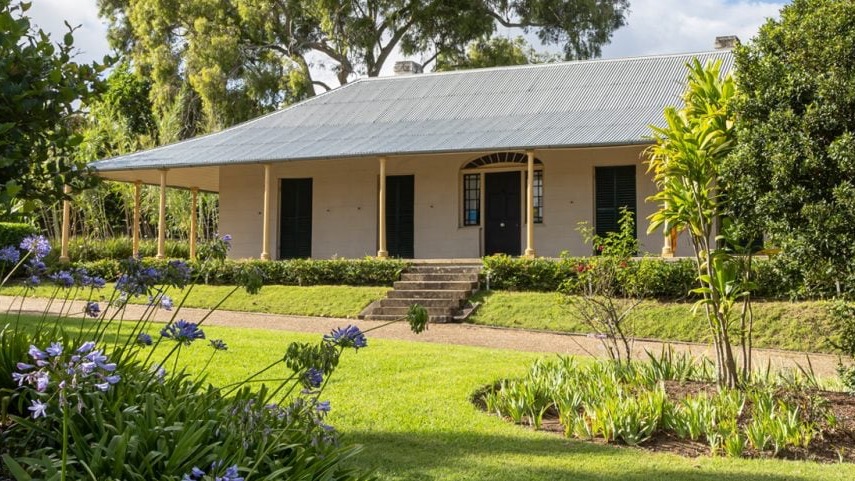
Experiment Farm Cottage, Parramatta
The colony's first land grant went to a convict farmer, on one condition: prove that a man could feed himself from cleared ground. The tour tells that story through the people who lived and worked there, with a present-day historian to put it in context.
Three stops, an introduction, nine languages, and notes and sources for every stop. Made with National Trust NSW, and in production now.
How we use AI
We use AI to research, draft, translate and voice our tours, never to make up the facts. People choose the stories, shape them and have the final say.
Who we are
Polymodal Studio is Ted Kozak, an engineer who spent his career building real-time voice and video systems, including leading Snap's video and real-time communications team. He is not a historian, which is why every claim in a tour is sourced and published rather than taken on trust.
It's a small studio in Sydney. You deal directly with the person who writes and builds your tour.
Tell us about your site
A few lines is plenty. We reply to every proposal within days, and the first conversation is free.
Prefer to talk first? Book a time .